
What Does a Usable 30-Second MAGI-2 Shot Cost?
Published · 4 min read
Sand.ai quotes CNY 0.50 per second for MAGI-2 at 1080p. That puts a 30-second render at CNY 15. Suppose you keep the fourth take because the first three lose the jacket logo as the actor turns. If all four run the full length at the quoted rate, the shot you deliver costs CNY 60.
In this article
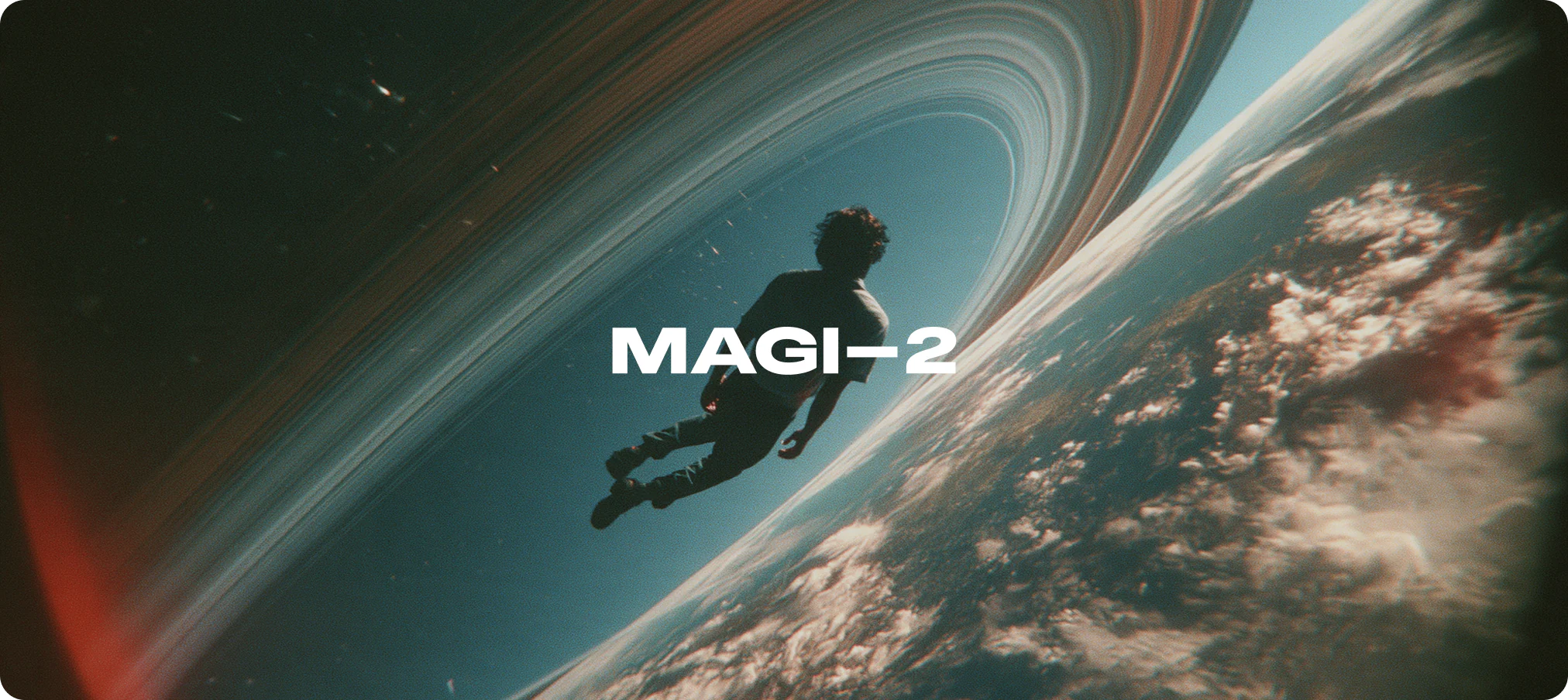
Budget for the takes you throw away
MAGI-2 can generate up to 30 seconds in one pass. For a shot that moves from a wide view to a close-up, that gives you time to see whether the face and clothes survive the camera move. A bad final second can still send the whole take back for another pass.
| Full-length takes | Seconds generated | Cost for one keeper |
|---|---|---|
| 1 | 30 | CNY 15 |
| 2 | 60 | CNY 30 |
| 4 | 120 | CNY 60 |
Sand.ai puts its rate at about one tenth of Seedance 2.5’s. To compare the two for a job, price the same brief at the same resolution through the services you intend to use. DSSUB’s November 25 report also placed MAGI-2 first on Artificial Analysis’ image-to-video board, ahead of Seedance 2.5. That ranking gives you a reason to try the model. How often you get to keep a take will determine your budget.
Give the shot one thing it must get right
Sand.ai lists a prompt limit of 20,000 characters. Its Omni reference feature accepts up to ten images, five videos and five audio clips in one generation. You could supply a complete script, a wardrobe photo and a guide performance. If the script calls for a blue jacket and the photo shows a black one, though, you have given the model two different shots to make.
For a first test, pick one jacket and use the same photo for every take. Ask the actor to turn away and then face the camera. Pause when the logo comes back into view. Can you still read the lettering? Once you know how often that works, add a camera move and run the brief again. Now you can put a price on the more ambitious shot.
Watch the face, the fabric and the edge of the frame
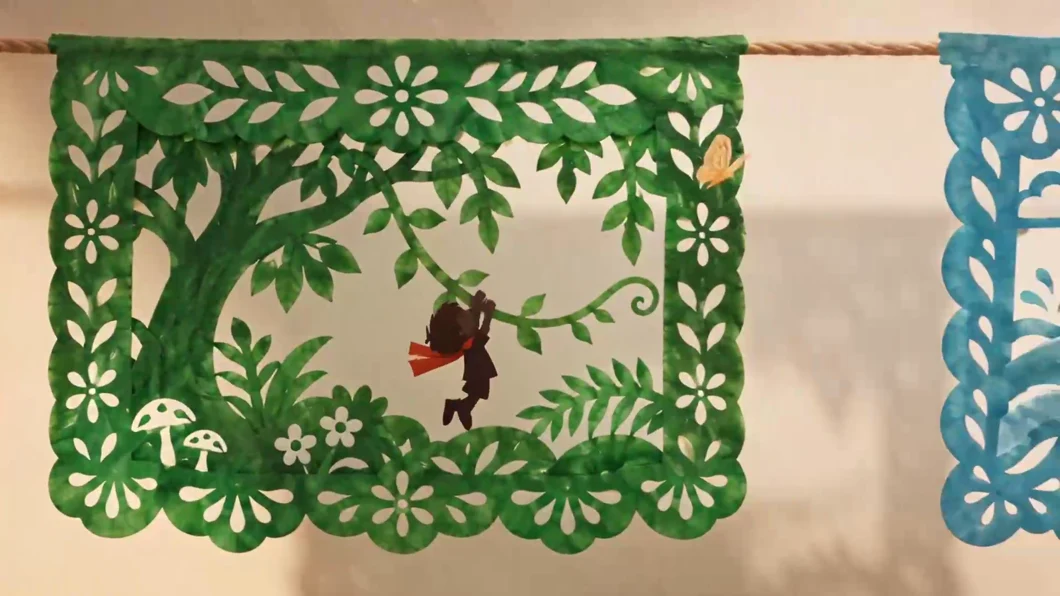
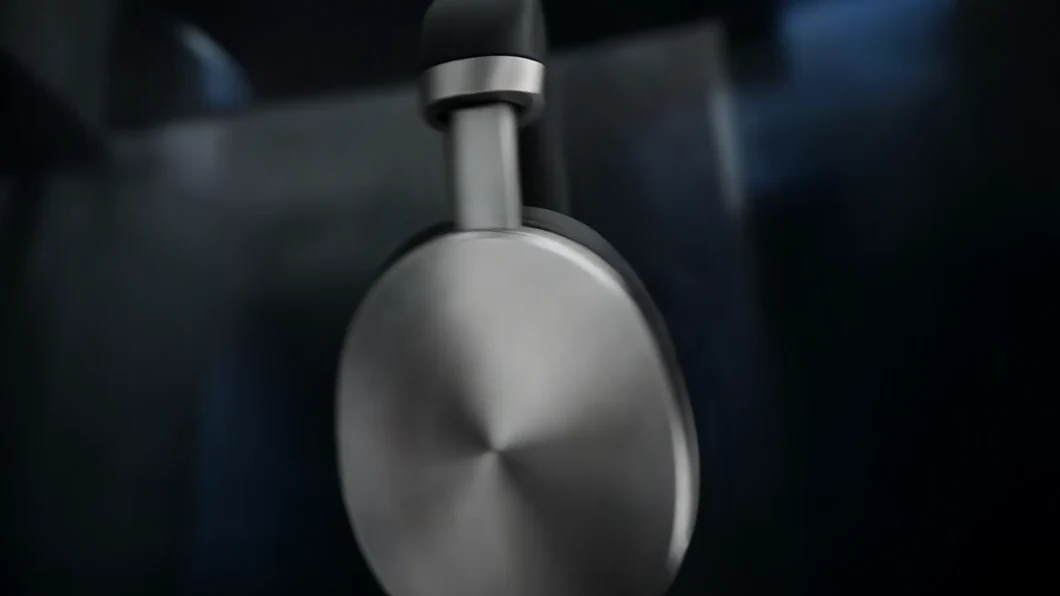
Sand.ai picked these three clips for its launch. Each gives you a different place to look for a visible error. The company did not say how many takes it discarded.
Can the edit land on a particular frame?
In a separate demo, Sand.ai asks a timer to flash yellow at three seconds, green at five and blue at seven. Try that brief and step through the result. Write down the first frame of each colour change. An editor cutting to a beat may reject a take that looks convincing at normal speed.
The dubbing demo poses a subtler question. Sand.ai shows a character speaking another language, with lip movement matched to the new line. When testing your own dialogue, watch the pause before the line and the expression just after it. The lips can match the syllables even if the performance feels different. For a style edit, the company’s Matisse- and Magritte-inspired examples suggest a similar test. Follow one hand through the original and edited shots to see whether its motion survives the change in palette.
Could a studio run MAGI-2 itself?
Sand.ai says it plans to release the weights. Its launch account leaves the release date, licence and checkpoint size open. A studio pricing an in-house deployment still needs those details, alongside the memory requirements and render time on a machine it can buy.
The company describes a shared stream for text, video and audio, with a Multi-Head Latent Mixture-of-Experts design. It reports 480 billion total parameters and about 28 billion active. The smaller number describes how much of the network participates in computation. Using it alone to estimate memory would leave most of the model out of the calculation.
Sand.ai also reports four trillion pretraining tokens, triple its earlier corpus, and about 22% higher training throughput against its standard mixture-of-experts baseline. It names Hygon and Moore Threads among the hardware platforms it adapted MAGI-2 for. A training speedup tells a studio little about how long its jacket shot will take to render. For the hosted version, you can already measure the number that belongs in a production estimate: add up what you spent on every take and divide by the number your editor accepted.
Stills from Sand.ai’s community gallery
Pause on a still to inspect the lettering on a prop or the texture of a sleeve. To see whether a detail holds together across frames, return to the clips above.




Creator credits follow Sand.ai’s English launch showcase. The three videos are company-published demos.