
Kimi Bills You by the Token. GPT-6.2 Leaks Suggest Per-Task Pricing.
Published · 5 min read
Kimi K3.1 Pro is on sale with room for 1,048,576 tokens and $2 input / $10 output per million tokens. On November 6, 2026, GPT-6.2 still had no model card or price sheet; the public evidence was two Google Cloud quota strings, gpt-6.2-astra and gpt-6.2-sol, plus a reported Friday launch. The leak prices tasks; Kimi prices tokens. Kimi is callable today; GPT-native teams should wait.
In this article
The billing unit is the real difference
Kimi quotes tokens. The GPT-6.2 leak quotes finished tasks. Chat products and batch jobs map to token counts; an agent run maps to a task. The arithmetic is lopsided. Send 1M tokens in and 200,000 out, and Kimi bills $4. GPT-6 Astra charges $20 at $10 input and $50 output. GPT-6.2 could reset that, but no token rate is published.
Context is closer: 1,048,576 tokens for Kimi, 1.1 million for GPT-6 Astra, unknown for GPT-6.2. Both confirmed models handle repository review and long documents. Filling the window is where the invoice separates.
| Item | Kimi K3.1 Pro | GPT-6.2 (claimed) |
|---|---|---|
| Status | Shipping since 23 Oct 2026 | No official documentation on 6 November 2026 |
| API names | kimi-k3.1-pro, kimi-k3.1-pro-highspeed | gpt-6.2-astra, gpt-6.2-sol (found in quota data) |
| Window | 1,048,576 tokens | Not published |
| Price | Input $2, output $10 for each million tokens; cached input $0.20 | Not published; leak quotes cost per task |
| Modalities | Takes text and images; returns text | Not published |
| Effort control | reasoning_effort offers low, high and max; thinking runs continuously | Five levels reported for Astra |
| Tools | Standard function calling; named web_search; REST search and fetch | Built-in Responses API tools; 6.2 specifics unconfirmed |
| Best fit | Buyers who want a fixed token rate and a portable API | Buyers already committed to GPT agent tooling |
What Kimi puts on the invoice
Moonshot shipped Kimi K3.1 Pro on 23 October 2026. The standard ID takes $2 for a million tokens in and $10 for a million out; cached input is $0.20. Highspeed doubles the pair to $4 and $20. Its context ceiling is 1,048,576 tokens, though Kimi Code reserves the full 1M for higher membership tiers. It takes text and image input and returns text. Moonshot promised full weights by 4 November, and Artificial Analysis now classifies it as open-weight.
Benchmarks split by test. Terminal-Bench 4.0: 65.7% for Kimi, 58.2% for GPT-6 Astra. BenchCAD with tools: 92.7 vs 95.9. Kimi Hallu Bench Hard, where lower is better, puts claim-level errors at 8.3% vs 5.5%. Kimi's Intelligence Index is 46, and Artificial Analysis records 35.9 minutes for a task, so latency-sensitive work is a poor fit. Every GPT-6 figure here is for GPT-6 Astra; GPT-6.2 has no benchmark table.
What the GPT-6.2 leak leaves open
GPT-6.2 still lacked a model card, token price, context size and benchmark table on 6 November 2026. The trail was two Google Cloud quota strings, base_model:gpt-6.2-astra and base_model:gpt-6.2-sol, plus a report from The Information that Astra, Sol and a security model could launch on Friday, 6 November.
Three products are described. The first, Astra, is the high-volume, low-cost tier with five effort settings running from Low through Max. The second, Sol, ranks under the company's top internal model without being a simple distillation. The security model is specialized and expensive. Astra Low costs $0.44 per task and scores 14%; Astra Max costs $11.05 and scores 59%; the security model falls between $11 and $37 per task, scoring 76% to 88%. None of it is official; treat it as a signal about per-task pricing, not a published rate card.
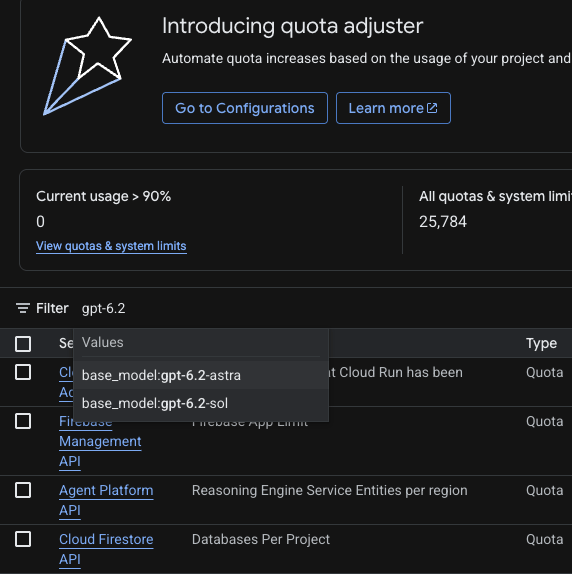
base_model:gpt-6.2-astra and base_model:gpt-6.2-sol before any model card existed.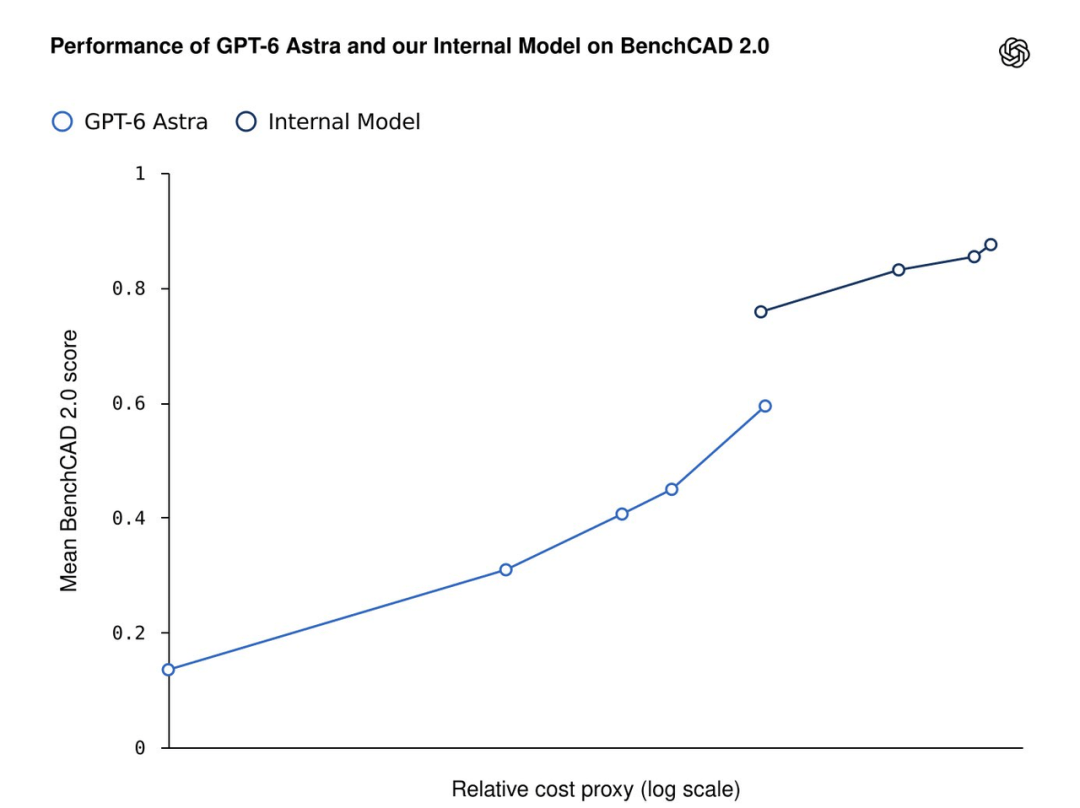
Tool use: a kit you wire up, or a loop that runs itself
Kimi exposes search as a named web_search function under standard function calling. Developers can call POST /v1/tools/search_pro, POST /v1/tools/search and POST /v1/tools/fetch, or let the Responses API run search server-side. Each request includes JSON Schema definitions plus tool_calls and tool_choice. Streaming is supported, and tools can load dynamically. The Messages API follows Anthropic's format. Other official tools handle fetching, dates, spreadsheets, memory and conversion, and Kimi Code adds subagents, hooks, skills, MCP and browser control.
GPT's Responses API bundles more into the response: function calling, a web_search tool that accepts domain filters plus a token cap, remote MCP, shell access, a code interpreter, file_search and computer use. In Chat Completions, web_search_options is limited to search-specific models. Codex adds skills, MCP, web search, computer use and a browser.
Kimi hands you a tool layer for your own loop; its API formats travel well. The Responses API runs a managed loop, which saves integration work if you already live there. One constraint matters for simple jobs: Kimi cannot switch thinking off, so cost and latency stay elevated.
The cyber report shows where per-task billing leads
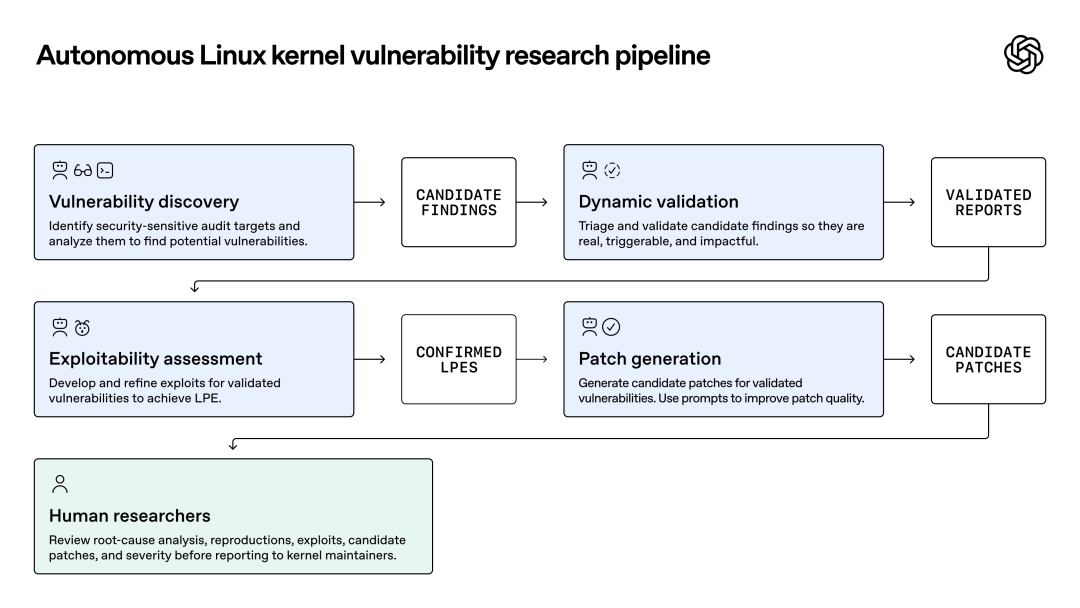
OpenAI's 5 November report described an autonomous vulnerability pipeline built on an unreleased cyber model. It cut roughly 40 million lines of Linux kernel code leaving 5,034 targets for audit, surfaced 2,308 candidate findings; 1,724 vulnerabilities reproduced; 291 working proofs of concept for leaks came out; 1,169 exploit programs were written; and 948 distinct local privilege escalation exploits were validated along with patches. An LPE gives an ordinary user root. API credits consumed $1.213 million, roughly $1,279 for each LPE. Google's kernelCTF exercise added a result: the pipeline found a flaw in its own test VM and built a working exploit with no QEMU source.
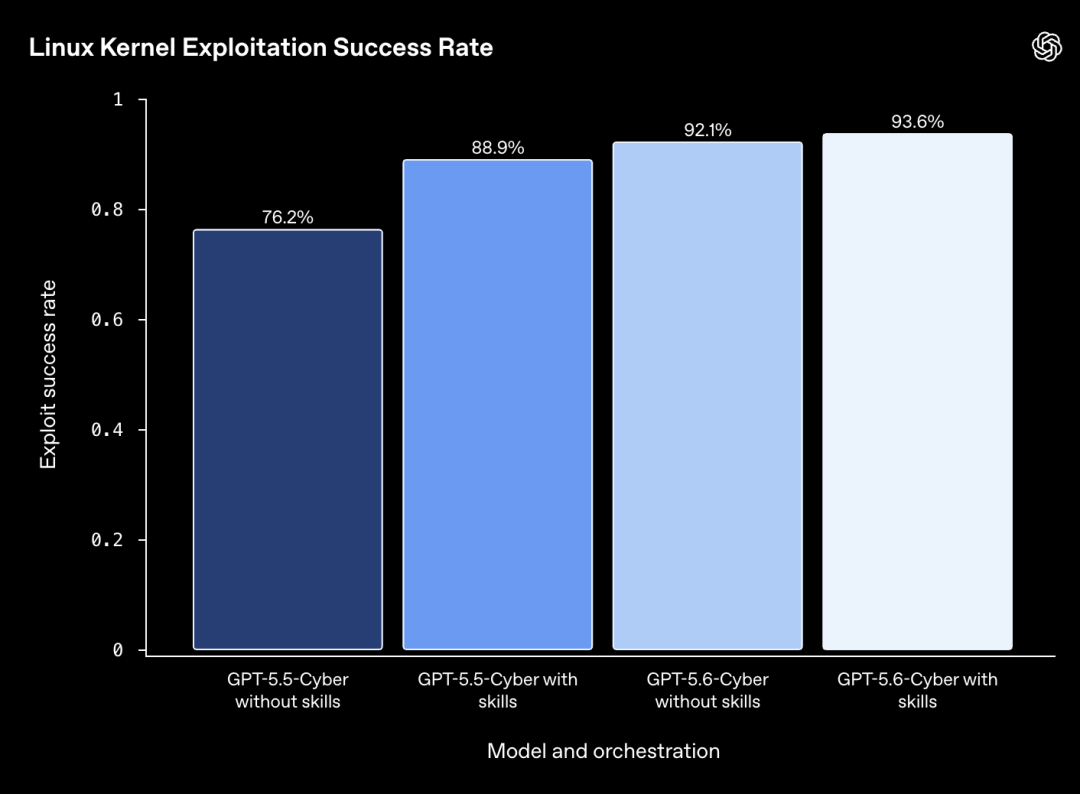
The report never uses the name GPT-6.2 Cyber; it only says the work ran on an upcoming cyber model. OpenAI is building the model and orchestration for long jobs where one run may cost thousands of dollars, standing in for weeks of expert work. Across 166 AI-written exploits, the agents applied 10 or more techniques that outside researchers had not seen. Human hints lifted GPT-5.5 Cyber from 76.2% to 88.9%. GPT-5.6 Cyber scored higher with no hints. That is specialist work, not general coding. The general option is Kimi, with a big window and a public token rate. The cyber model sells the opposite: a specialist run with a per-task bill.
Which model fits this week
Kimi K3.1 Pro makes the safe default for a new build that needs a model now. Its rates and context are published, the API is portable, and a 1M window covers big repositories and lengthy documents. Latency is higher than on the quickest options, and GPT-6 Astra has the better hallucination score, so keep tests and human review in the workflow.
If your team already works through Codex, computer-use tools or the Responses API, wait for GPT-6.2's official price. Those leaked effort tiers hint that you would buy a completed agent run instead of raw tokens. Where that matches your workflow, the higher per-task cost may be justified. Do not move production traffic because of a leak.
Security teams should watch the cyber line. It does not replace a general coding assistant; treat it as one component in a pipeline that carries its own budget.
SIAPI sells Coding Plan points and prepaid USD usage; current plans and token rates are on the SIAPI pricing page.